
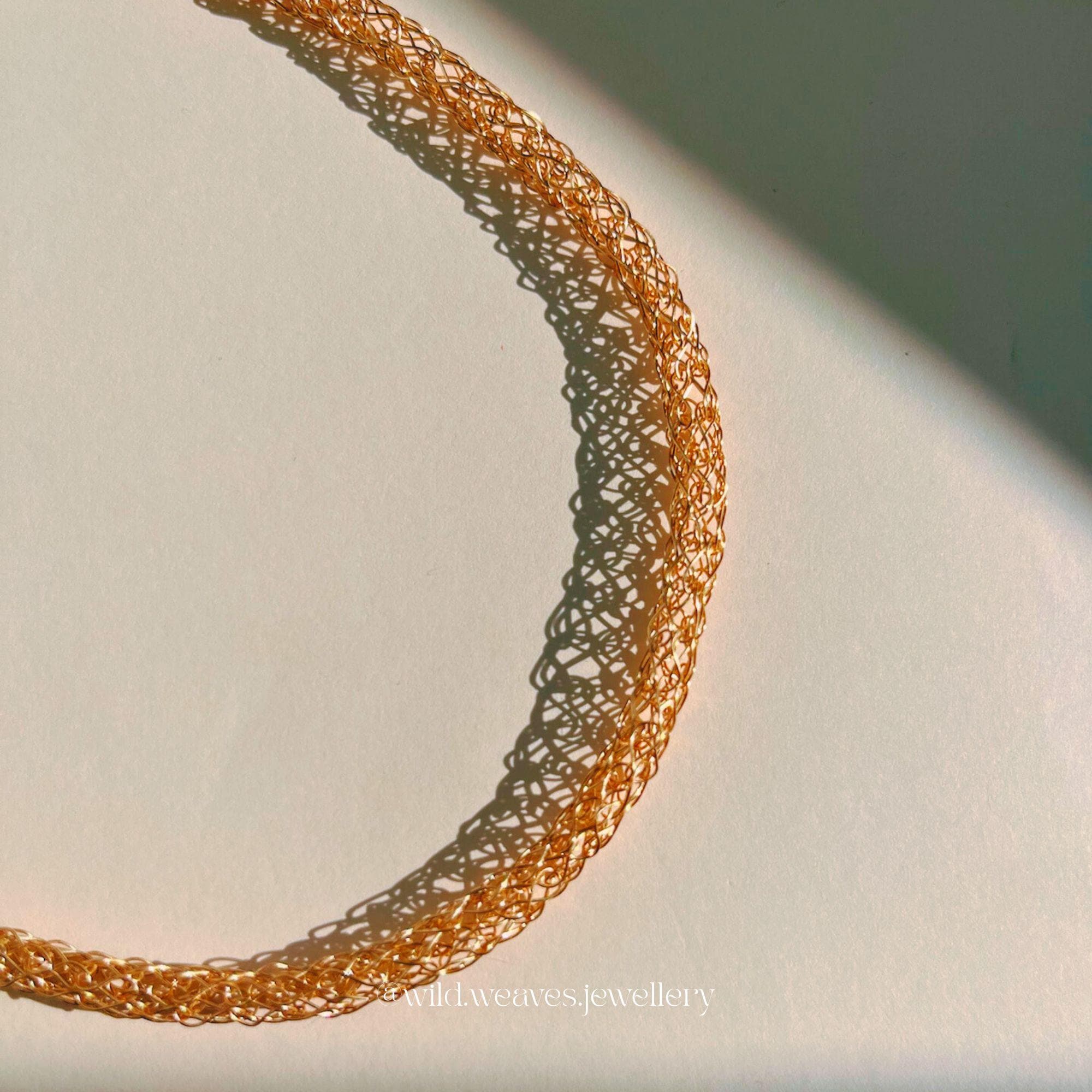
Knitted 18k gold plated choker necklace, also available in silver
From Metal Threads to Knitting
There is something quiet magical about taking a thin strand of metal and transforming it into something that is both sturdy and soft enough to be worn comfortably for a long time. When people first touch a piece of wire-knitted jewellery, they are often surprised. They expect metal to be rigid and cold. Instead, they discover movement, texture, flexibility.
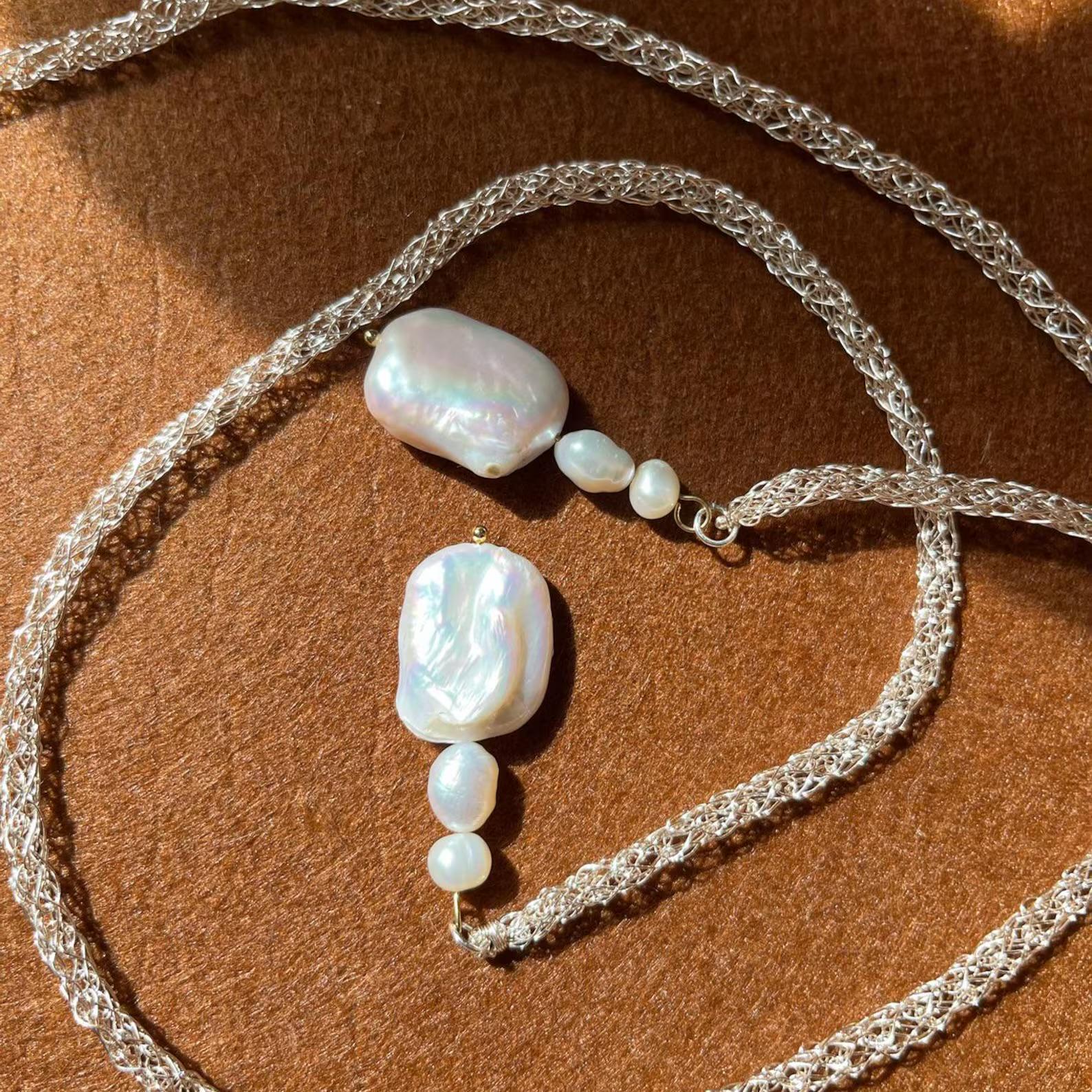
Long knitted 925 sterling silver plated wrap necklace with keshi pearls, also available in gold
This is exactly what drew me to wire knitting, the technique I use to create every Wild Weaves piece. What began as simple curiosity grew into deep respect for a craft with roots that stretch back thousands of years. Wire-knitted jewellery is not a modern invention but belongs to a long cultural story that blends metalwork, textile traditions and human creativity.
And who knows, knowing where this technique comes from might make wearing it even more meaningful.
The Ancient Roots of Wirework in Jewellery
Wire techniques have existed in jewellery making for far longer than just centuries. Civilisations such as Egypt, Greece and Rome learned how to draw metal into fine wires and shape them into decorative forms. These early artisans twisted, braided and wove metal to create necklaces, earrings and ceremonial ornaments.
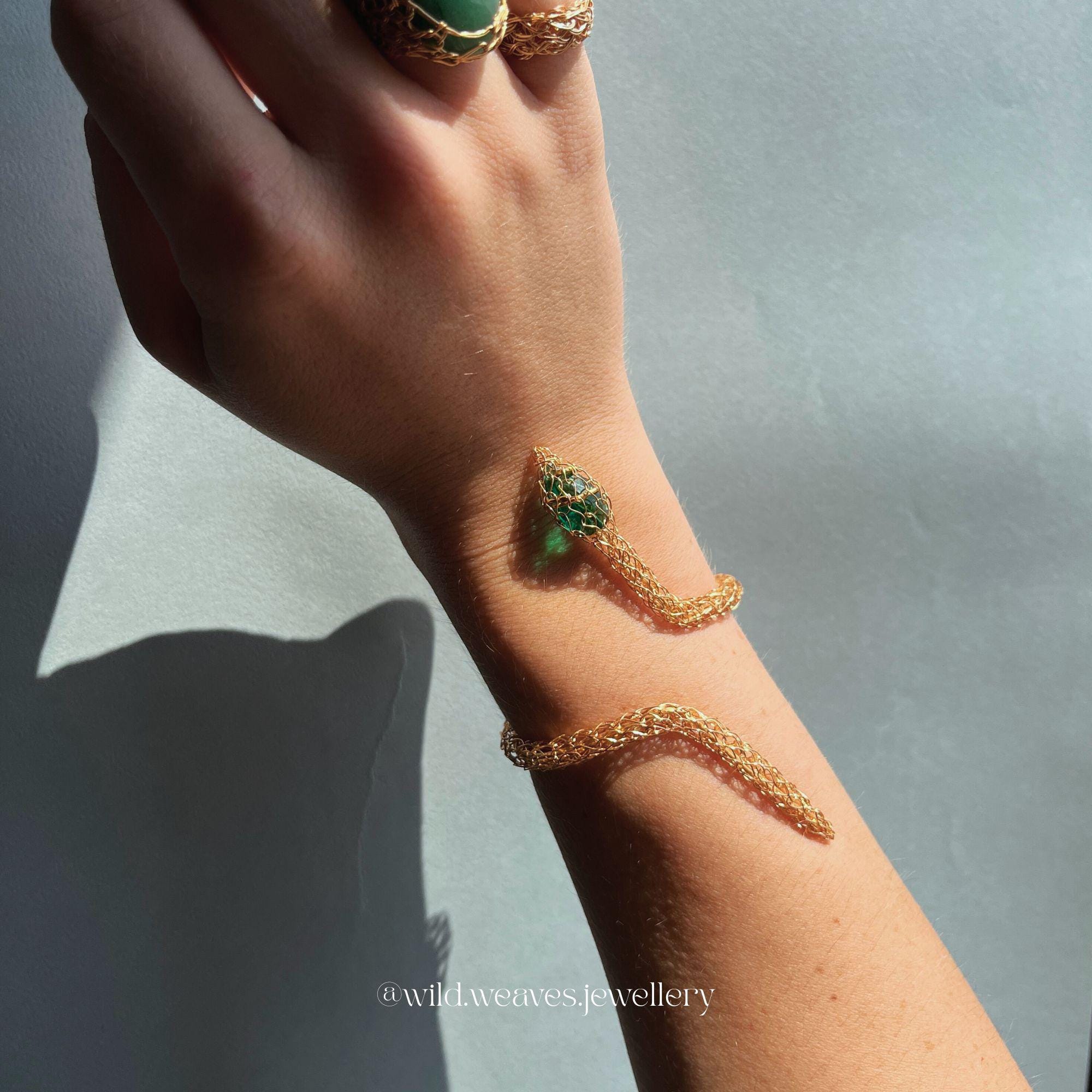
Knitted 18k gold plated snake bangle with green crystal
Jewellery carried both spiritual meaning and social status: gold wire represented wealth and power; silver and bronze reflected identity and craftsmanship. Weaving metal mirrored the textile traditions of the time. During the medieval and Renaissance periods, wirework evolved into beautiful, intricate filigree and openwork designs often finished with gemstones, becoming a language of elegance and refinement.
Across cultures, similar techniques appeared independently. Celtic wire jewellery used looping and knotting to express eternity and unity. Native American metalwork incorporated wire into symbolic adornments. South Asian jewellery traditions explored fine metal threads in elaborate forms. The Incas were extraordinary metal artisans long before European contact, working extensively with gold, silver, and copper; creating jewellery using techniques that included twisting and coiling wire and looping fine metal threads into mesh-like, chain structures. In South America, wire crocheting remains a key jewellery making technique to this day.
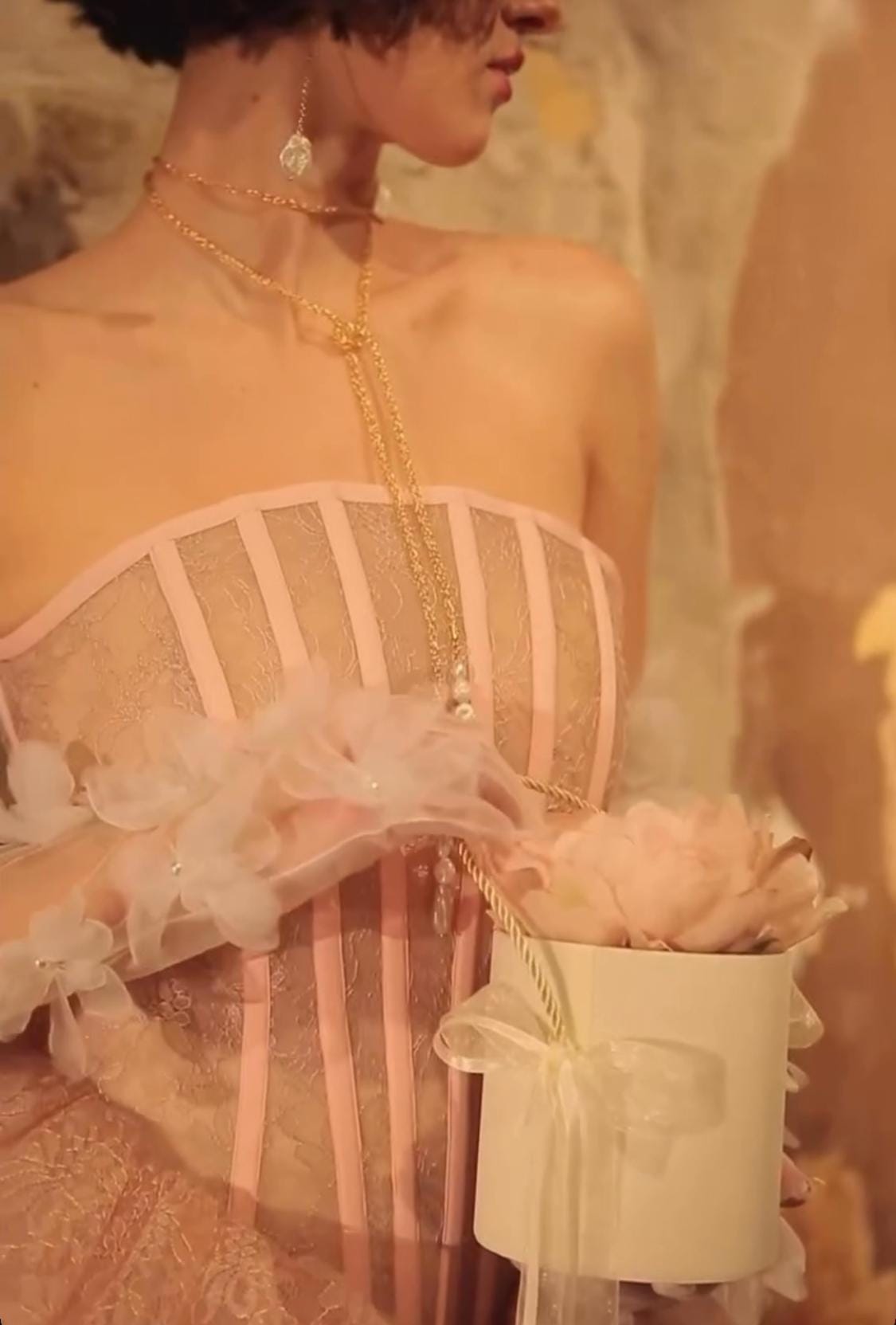
Long knitted 18k gold plated wrap necklace with keshi pearls, also available in silver / Photos from the Novaliss runaway at Riga Fashion Week 2025, all credits to the photographers working at the event
Another early metal knitting techniques is Viking knit, sometimes called spool knit chain. The vikings created long metal chains by looping wire around simple tools and pulling them through to form flexible tubes, worn as jewellery.
What (I think) connects every era is the desire to handle and shape the metal with your own two hands. Each stitch carries intention, each row is an act of patience. Wire-knitted jewellery is slow jewellery by nature.
Invisible Spool Knitting (ISK): a Contemporary Technique
Invisible Spool Knitting is the technique I use for every Wild Weaves knitted piece. It was popularised in recent years by contemporary designer Yael Falk of Yoola Design, who brought structure and education to a method that blends crochet and spool knitting (and who I also learned a lot from).

Long knitted 18k gold plated wrap necklace with keshi pearls, also available in silver / Photos from the Novaliss runaway at Riga Fashion Week 2025, all credits to the photographers working at the event
At first glance, ISK looks like crocheting. In practice, it uses a crochet hook and a starter spool to pull fine wire into interlocking stitches. These stitches form a smooth tube or flat surface that resembles knitted fabric but is made entirely of metal. The result is a flexible, sculptural structure that can be shaped into necklaces, bracelets, rings and earrings. It combines the softness of textiles with the durability of metal.
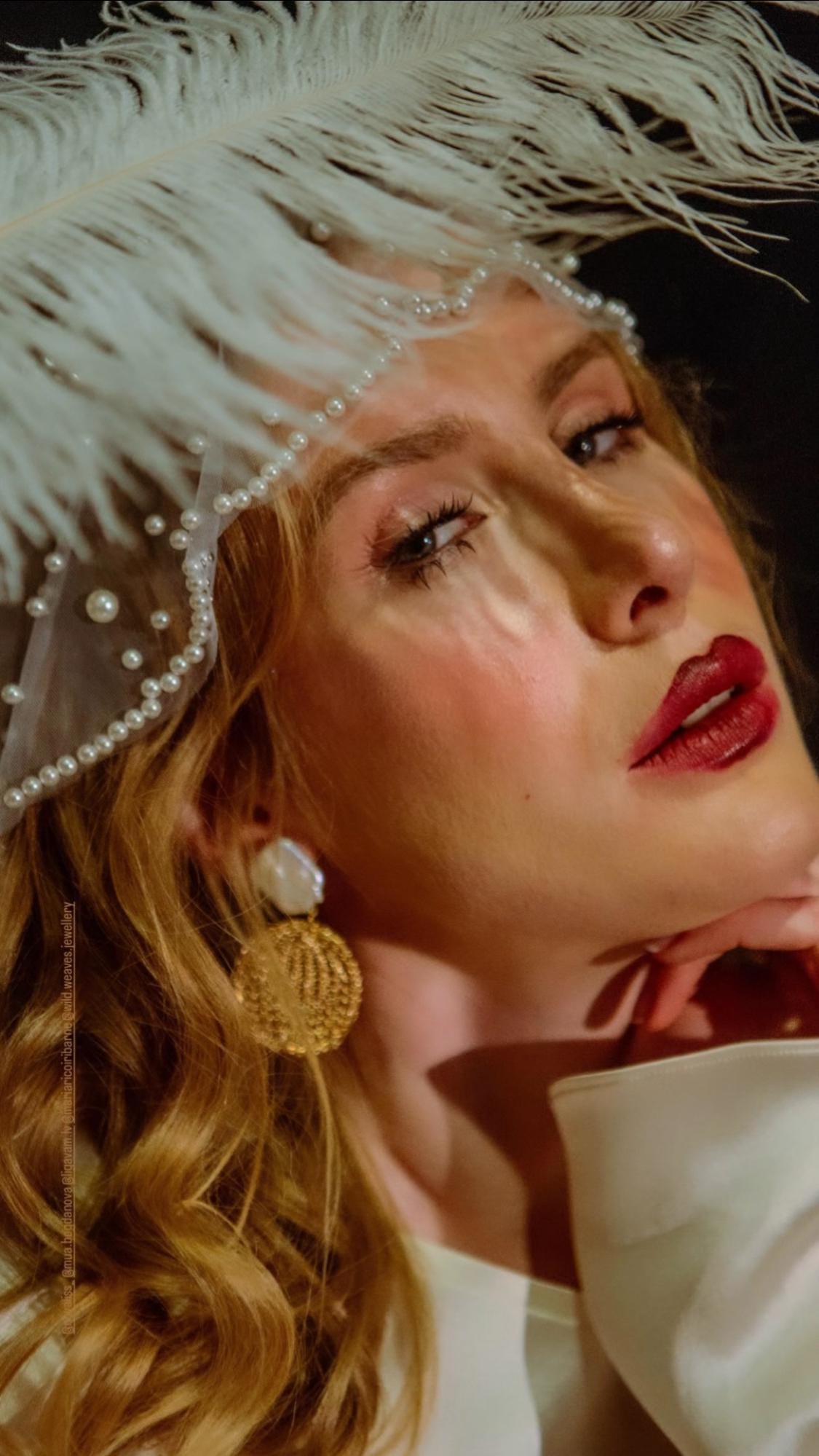
Knitted 18k gold plated statement disc earrings with keshi pearls / Photos from the Novaliss runaway at Riga Fashion Week 2025, all credits to the photographers working at the event
ISK has grown into an international craft movement with workshops, courses and creative communities devoted to mastering the technique. What once belonged to ancient traditions is now being rediscovered by modern makers who seek slow and intentional craftsmanship.
Traditional yet Unique
Wire-knitted jewellery carries a distinct emotional quality. It is labour-intensive and visibly handmade. You can see every stitch clearly. This is why it resonates so strongly with people drawn to crafts, slow fashion and meaningful, handmade objects.
In a world of mass-produced jewellery, I believe wire knitting stands apart: it represents patience in a fast world, artisanal skill in an automated age and a distinct voice in a sea of sameness. No two pieces are completely identical. Even when I repeat a design, the wire may respond slightly differently each time. Each piece can easily tell its own small story.
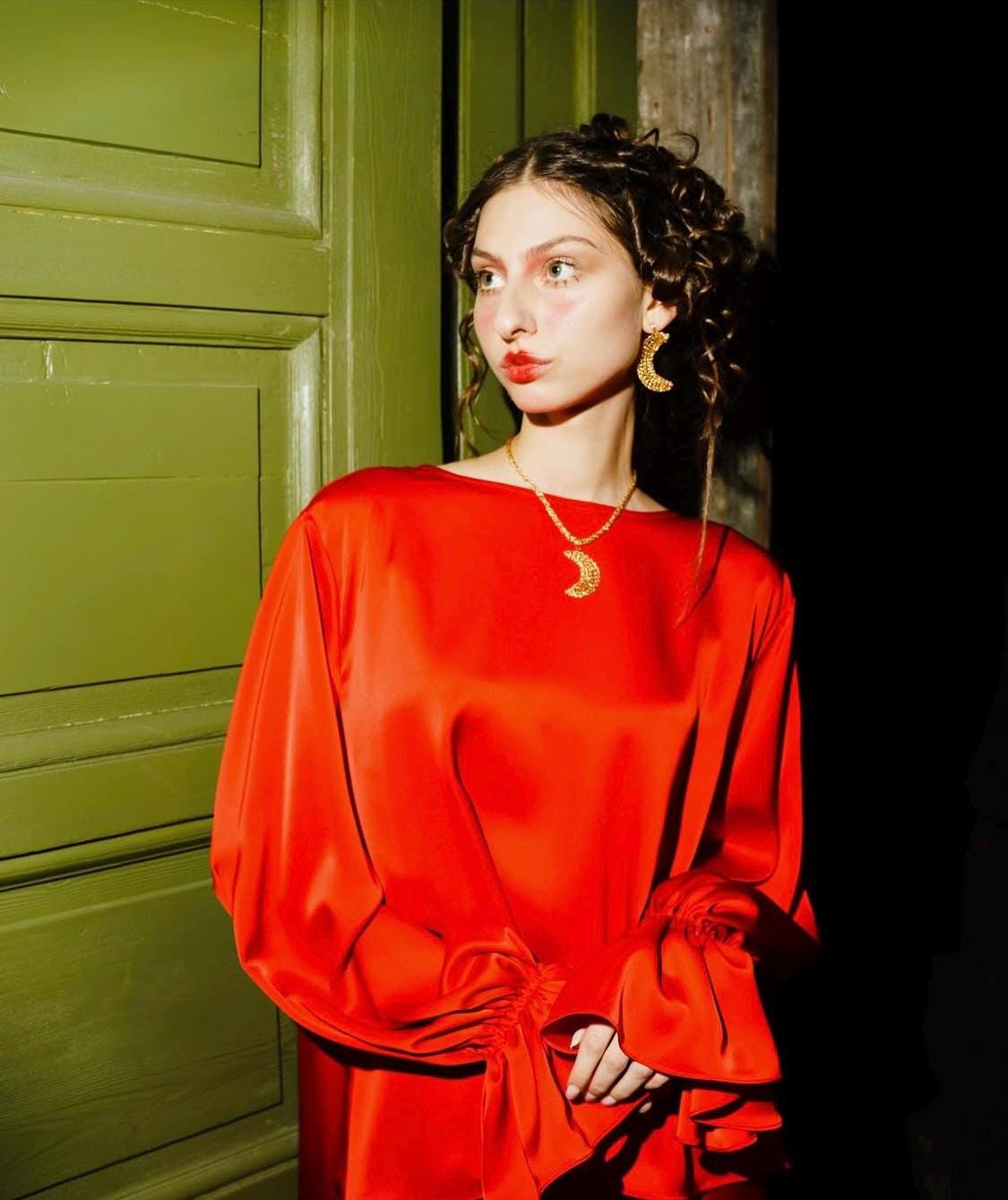
Knitted 18k gold plated moon earrings & necklace set / Photos from the Novaliss runaway at Riga Fashion Week 2025, all credits to the photographers working at the event
Wire-knitted jewellery speaks to something deeper than trend. People want to know where their jewellery comes from, who made it and why it exists. That is why techniques like ISK feel so relevant today, they represent transparency and a slower-paced life. It’s a matter of value rather than just style.
Modern craft movements have revived these historical techniques by blending them with contemporary aesthetics. In my head, wire knitting sits at the crossroad between tradition and modern jewellery design.
Finally…
What excites me most about wire knitting is that it’s ever-evolving. Artists and artisans experiment with scale, materials and form. The technique adapts to new aesthetics while preserving its nature.
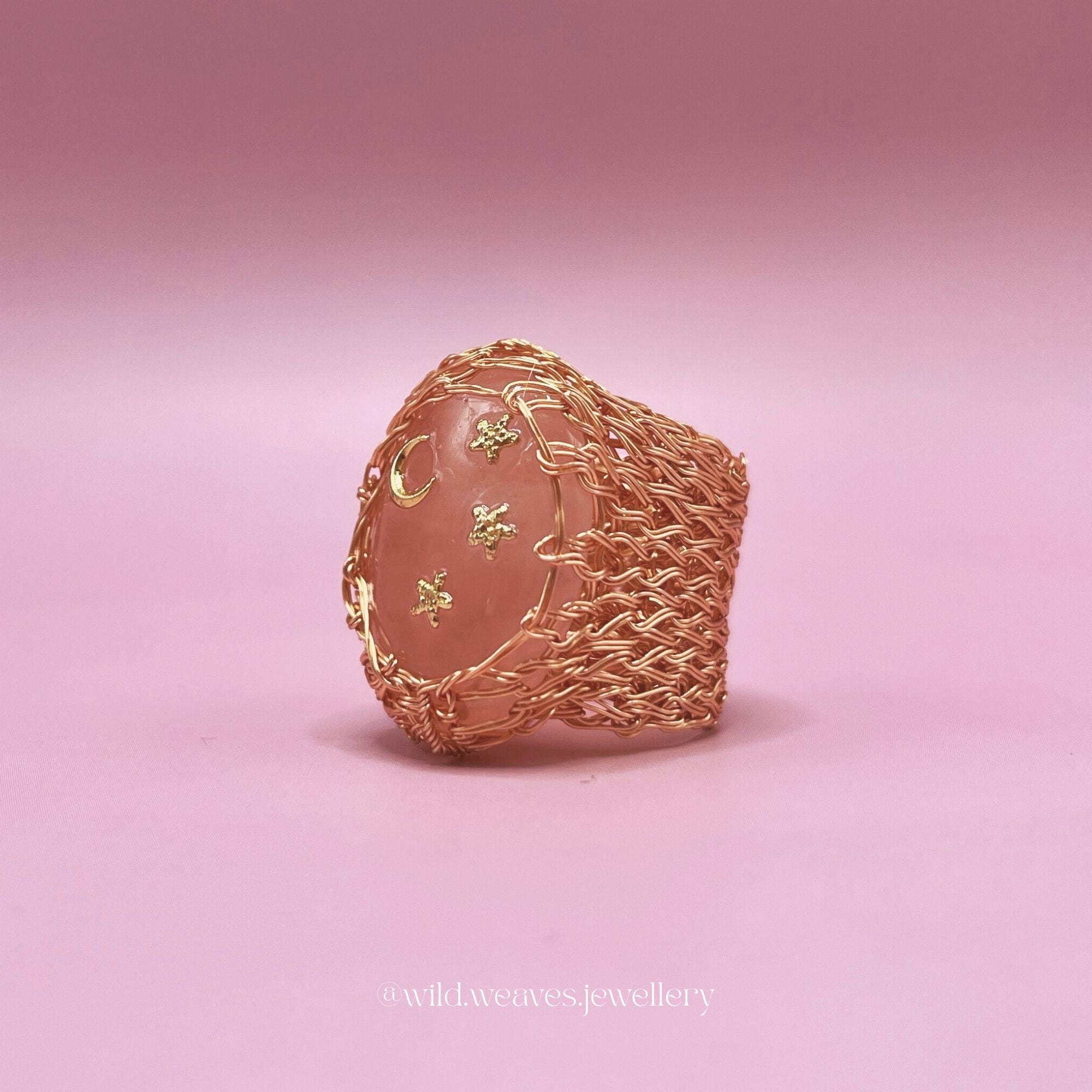
Knitted 18k gold plated rose quartz statement ring
Because it lives in the hands of makers and changes with culture and time, I don’t believe wire-knitted jewellery will ever disappear or be off trend. It carries tradition forward. Every necklace, every bracelet and every pair of earrings continues a story that began thousands of years ago.
Whether you choose a knitted metal necklace, a pair of hoops, or a pearl ring from Wild Weaves, you are choosing something that cannot be rushed or replicated by machines. In a world full of noise, that quiet story feels more valuable than ever (at least to me).

Knitted 925 sterling silver plated hoop earrings, also available in gold
If you would like to explore jewellery inspired by this long-lived craft, you can discover the Wild Weaves collection (here on my website, on Etsy or in store) and support this evolving tradition yourself 🫶✨ You may fall in love with it!